
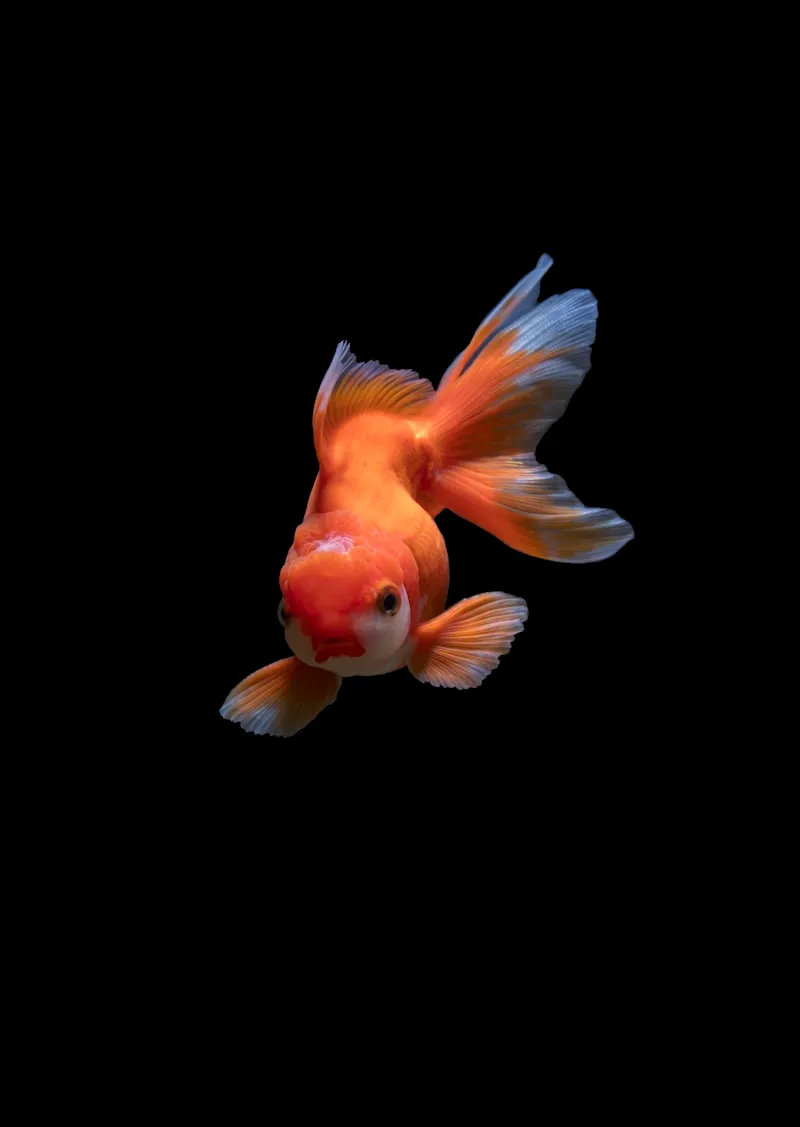
Choosing the right fish for your first aquarium can make or break your fishkeeping experience. The best beginner fish are hardy, forgiving of mistakes, and colorful enough to make your tank a showpiece. Here are our top 10 recommendations.
1. Why Are Guppies Perfect for Beginners?
Guppies are the ultimate beginner fish. They are colorful, active, peaceful, and incredibly hardy. Males display vibrant tail patterns in every color imaginable. They breed easily (sometimes too easily!), so start with all males if you do not want fry. Temperature: 22-28°C, pH: 6.8-7.8.
2. What Makes Neon Tetras So Popular?
These tiny, electric-blue fish with red stripes are among the most popular aquarium fish worldwide. They are peaceful schooling fish — keep at least 6-8 together for best behavior and visual impact. Temperature: 20-26°C, pH: 6.0-7.0.
3. Why Are Platies Nearly Indestructible?
Platies come in a rainbow of colors and are nearly indestructible. They are livebearers like guppies, peaceful, and great community fish. They eat almost anything and tolerate a wide range of water conditions. Temperature: 20-28°C, pH: 7.0-8.2.
4. What Makes Corydoras Catfish Great Bottom Dwellers?
These adorable bottom-dwellers keep your substrate clean while providing entertainment with their social behavior. Keep at least 4-6 together on a sandy substrate. They are peaceful and compatible with virtually every community fish. Temperature: 22-26°C, pH: 6.0-7.5.
5. Why Are Betta Fish So Stunning?
Bettas are stunning with flowing fins and vibrant colors. Keep only one male per tank (they are territorial with other males), but they can live with peaceful tank mates in tanks 20 liters or larger. They are intelligent fish that recognize their owners. Temperature: 24-28°C, pH: 6.5-7.5.
6. What Makes Mollies Hardy and Versatile?
Hardy and available in many colors including black, white, orange, and dalmatian patterns. Mollies prefer slightly hard, alkaline water and can even tolerate brackish conditions. They are livebearers and active swimmers. Temperature: 22-28°C, pH: 7.5-8.5.
7. Why Are Cherry Barbs Ideal for Community Tanks?
Males display a gorgeous deep red color, especially when kept in groups. Cherry barbs are one of the most peaceful barb species and do well in planted community tanks. Keep 6 or more for a stunning display. Temperature: 22-27°C, pH: 6.0-7.5.
8. What Makes Zebra Danios Virtually Indestructible?
Virtually indestructible, danios are extremely hardy and active swimmers. Their horizontal stripes and constant motion add energy to any tank. They are excellent for cycling new tanks due to their tolerance. Keep in groups of 5+. Temperature: 18-26°C, pH: 6.0-8.0.
9. Why Is the Bristlenose Pleco the Best Algae Eater?
The best algae-eating fish for beginners. Bristlenose plecos stay small (12-15 cm) unlike common plecos that can reach 60 cm. They are peaceful, hardy, and help keep your tank clean. Provide driftwood for them to rasp on. Temperature: 22-28°C, pH: 6.0-7.5.
10. What Makes Swordtails a Colorful Addition?
Named for the distinctive sword-shaped extension on males' tails, swordtails are colorful, hardy livebearers. They come in red, orange, pineapple, and many other varieties. Active swimmers that do well in community tanks. Temperature: 22-28°C, pH: 7.0-8.3.
Pro Tip from Tank Doc
Research each species before buying. Make sure they are compatible with your tank size, water parameters, and existing fish. A little homework prevents a lot of problems!
Frequently Asked Questions
What is the easiest fish to keep?
Can I keep a betta with other fish?
How many fish can I put in my tank?
Popular Searches

Tank Doc Team
Professional aquarium maintenance experts in Bangalore. We are passionate about helping fish keepers maintain healthy, beautiful aquariums.
Contact Us →Related Articles
Beginner's Guide to Setting Up a Freshwater Aquarium
Start your fishkeeping journey right with this complete guide from choosing a tank to adding your first fish.
How to Choose the Right Aquarium Size for Your Fish
Expert guide on choosing the perfect tank size based on fish species, space, and budget considerations.
How to Keep Your Fish Healthy
Proven tips to keep your aquarium fish healthy covering water quality, diet, tank mates, and disease prevention.
Feeding Your Aquarium Fish
Learn proper fish feeding - food types, schedules, portion sizes, and common mistakes to avoid.