
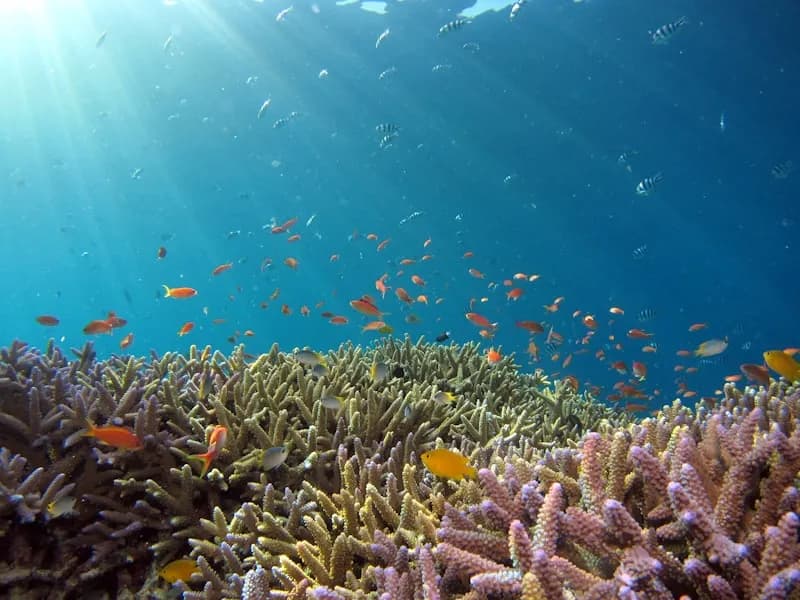
Healthy aquarium plants are the foundation of a beautiful, balanced underwater ecosystem. They provide oxygen, absorb harmful nitrates, offer shelter for fish, and create stunning natural aquascapes. But keeping aquatic plants thriving requires understanding their specific needs for light, nutrients, and CO2.
What Are the Essential Requirements for Healthy Aquarium Plants?
Every aquatic plant needs three things to survive: adequate lighting, proper nutrients, and carbon dioxide. The balance between these three factors determines whether your plants will flourish or struggle.
How Much Lighting Do Aquarium Plants Need?
Light is the primary energy source for plant photosynthesis. Low-light plants like Java Fern and Anubias need only 1-2 watts per gallon, while demanding species like Dwarf Baby Tears require 3+ watts per gallon with full-spectrum LED lighting. Most planted tanks do well with 8-10 hours of light per day. Read our complete lighting guide for detailed recommendations.
What Nutrients and Fertilization Do Aquarium Plants Need?
Plants absorb macronutrients (nitrogen, phosphorus, potassium) and micronutrients (iron, manganese, zinc) from the water column and substrate. In tanks with a moderate fish load, fish waste provides some nutrients naturally. However, most planted tanks benefit from liquid fertilizers dosed weekly and root tabs for heavy root feeders like Amazon Swords.
Do Aquarium Plants Need CO2 Supplementation?
Carbon dioxide is essential for plant growth. Low-tech planted tanks can rely on naturally dissolved CO2 from fish respiration and surface agitation. High-tech setups with demanding plants benefit from pressurized CO2 injection systems that maintain 20-30 ppm of dissolved CO2 during the photoperiod.
What Are Common Aquarium Plant Problems and Solutions?
- Yellowing leaves: Usually indicates iron or nitrogen deficiency. Dose liquid fertilizer.
- Holes in leaves: Potassium deficiency. Add potassium-rich fertilizer.
- Melting plants: Common in newly planted specimens adjusting to water parameters. Trim dead portions and wait for new growth.
- Algae on leaves: Too much light or nutrients. Reduce photoperiod and check fertilizer dosing. See our algae control guide.
- Stunted growth: Usually a CO2 or lighting issue. Ensure adequate levels of both.
What Are the Best Beginner-Friendly Aquarium Plants?
Start with hardy, low-maintenance species like Java Fern, Anubias, Java Moss, Amazon Sword, and Vallisneria. These plants tolerate a wide range of water parameters and don't require CO2 injection. Check our full list of best live plants for freshwater aquariums.
Why Does Substrate Matter for Aquarium Plants?
The right substrate makes a huge difference for root-feeding plants. Nutrient-rich aqua soils like ADA Amazonia provide years of fertility, while inert gravel requires root tab supplementation. Read our substrate guide for detailed comparisons.
Pro Tip from Tank Doc
When planting new specimens, remove any rock wool or pot material from the roots and trim damaged roots before planting. This prevents rot and encourages new root growth.
Frequently Asked Questions
Do aquarium plants need CO2?
Why are my aquarium plants turning yellow?
How much light do aquarium plants need?
Popular Searches

Tank Doc Team
Professional aquarium maintenance experts in Bangalore. We are passionate about helping fish keepers maintain healthy, beautiful aquariums.
Contact Us →Related Articles
Best Live Plants for Freshwater Aquariums
Discover easy-to-grow aquarium plants like Java Fern, Anubias, and Amazon Sword for any skill level.
Aquarium Lighting Guide
Everything about aquarium lighting - LED vs fluorescent, photoperiod, intensity, and choosing the right light.
How to Set Up a Planted Aquarium
Step-by-step guide to creating a beautiful planted aquarium from substrate to aquascaping.
Aquarium Substrate Guide
Compare gravel, sand, and aqua soil - find the perfect substrate for your fish-only or planted tank.